
Infected Insect Bite Treatment at Earls Barton Pharmacy
Infected insect bites can worsen if untreated — we offer fast assessment and effective treatment through Pharmacy First.
- No GP appointment needed
- Part of the Pharmacy First scheme
- Simple and effective treatment options
- Quick assessment and care
- Trusted local pharmacy support

About Infected Insect Bite Treatment
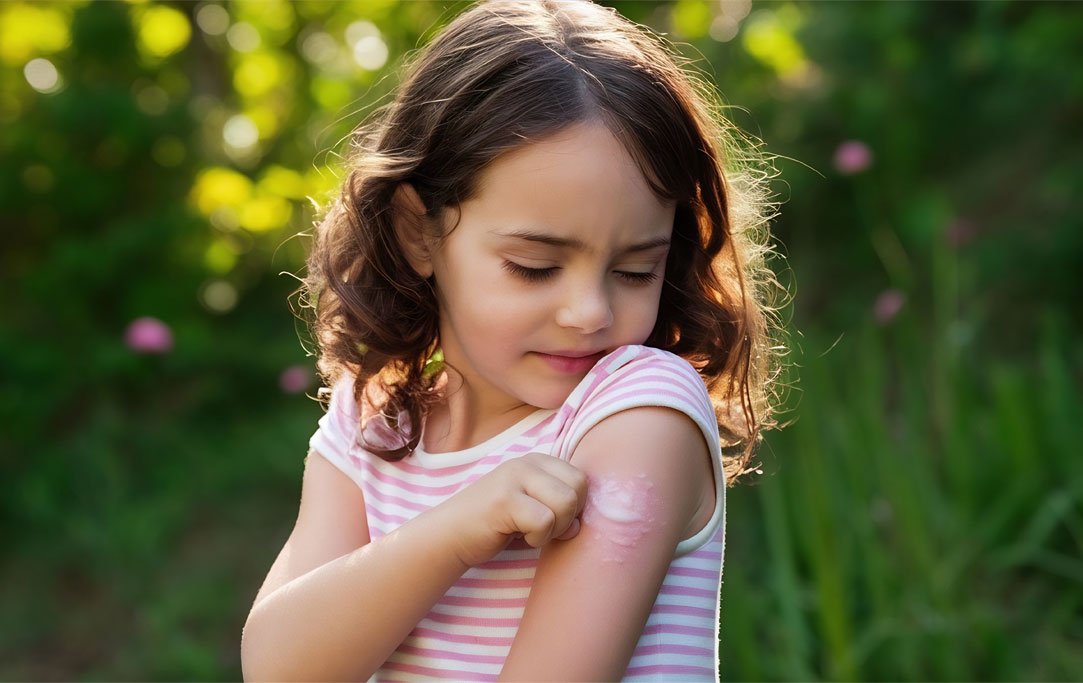
Infected insect bites can cause redness, swelling, pain, and irritation around the affected area. The skin may feel warm to the touch and, in some cases, develop pus or fluid discharge. While most insect bites are harmless and heal on their own, infection can occur when bacteria enter broken or irritated skin.
At Earls Barton Pharmacy, we provide an NHS Pharmacy First infected insect bite treatment service for eligible patients. Our trained pharmacist will assess your symptoms, confirm whether you meet the NHS eligibility criteria, and recommend or supply the most appropriate treatment where suitable—all without the need to see a GP.
Seek urgent medical attention if you develop rapidly spreading redness, severe swelling, increasing pain, a high fever, red streaks spreading from the bite, or signs of a severe allergic reaction such as difficulty breathing or swelling of the face, lips, tongue, or throat.
Our aim is to reduce infection quickly, relieve discomfort, and support safe healing, while also providing advice on how to prevent future infections.
Common Symptoms of an Infected Insect Bite
- Redness around the bite
- Swelling
- Warmth around the affected area
- Pain or tenderness
- Pus or fluid discharge
- Itching that becomes worse rather than improving
Causes of Infection
Most insect bites heal without complications, but infection can develop when bacteria enter broken or irritated skin.
- Scratching the bite and breaking the skin
- Poor cleaning of the affected area
- Damaged or broken skin
- Persistent irritation or inflammation around the bite
Early assessment and treatment can help prevent the infection from worsening and support faster recovery.
How It Works
01
Book a Consultation
Book your appointment online or visit the pharmacy. No GP referral is needed.
02
Symptom Assessment & Treatment
Our pharmacist will examine the bite, assess the severity of the infection, and recommend the most appropriate treatment. You will also receive clear advice on how to care for the area.
03
Follow-Up Support
If symptoms do not improve or worsen, we will guide you on further treatment or GP referral if necessary.
Need Advice or Unsure About Your Bite?
Our pharmacy team is here to help you get quick relief and prevent the infection from spreading.
Book Your Infected Insect Bite Vaccination
Ready to protect yourself before you travel? Book your appointment online in just a few clicks.
Trusted by Our Patients




Health Tips & Advice
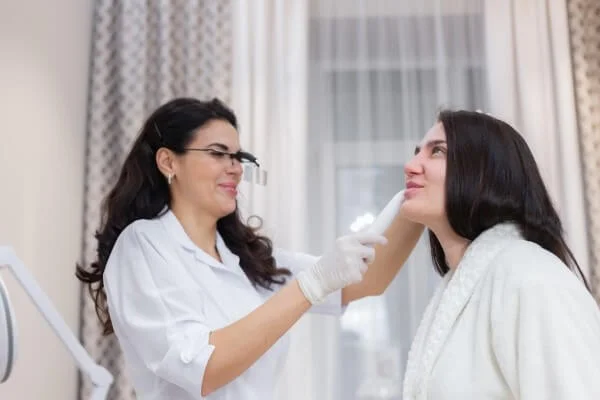

Blocked Ears? We Can Help!
It’s a common misconception that pharmacies are solely for ordering and picking up prescriptions.

Lose Weight & Feel Your Best
Losing weight isn’t always as simple as eating less and moving more. Many people struggle with weight loss, even when…

Get Ready To Travel With Earls Barton Travel Clinic
Going abroad in 2025? In between checking your travel insurance and passports, make sure you book your travel vaccines! Making…
Frequently Asked Questions
An infected insect bite occurs when bacteria enter the skin after an insect bite, causing the area to become inflamed and infected. This can lead to increased redness, swelling, pain, warmth, and sometimes pus or fluid around the bite.
Common signs include increasing redness, swelling, pain, warmth around the bite, pus or discharge, and symptoms that continue to worsen rather than improve. In some cases, you may also develop a fever or feel generally unwell.
Treatment depends on the severity of the infection and your symptoms. Following an assessment, our pharmacist will recommend the most appropriate treatment and provide advice to support healing. This may include cleaning and protecting the affected area, antiseptic or soothing creams, pain relief medication, and guidance on reducing irritation and preventing further infection. In some cases, antibiotic treatment may be recommended if clinically appropriate.
Our pharmacist will assess the bite, check for signs of worsening infection, and advise on the most suitable next steps. If necessary, you may be referred to another healthcare professional for further assessment. The aim of treatment is to reduce infection, relieve discomfort, and support a safe and speedy recovery.
Yes. If a bite becomes infected or is scratched, it can worsen and may require treatment from a pharmacist.
You should seek advice if the bite becomes red, swollen, painful, produces pus, or does not improve after a few days.
Not always. Treatment depends on the severity of the infection and will be assessed by a pharmacist.
Most infected insect bites improve within a few days with appropriate treatment, although healing time can vary depending on severity.
You should seek medical advice if an insect bite becomes increasingly red, swollen, painful, or warm to the touch, particularly if the symptoms continue to worsen rather than improve. Other signs that may require prompt assessment include pus or discharge from the bite, a fever, swollen glands, red streaks spreading from the affected area, or feeling generally unwell.
If you experience difficulty breathing, swelling of the face or throat, dizziness, or signs of a severe allergic reaction, seek urgent medical attention immediately. Our pharmacist can assess infected insect bites, provide appropriate treatment where suitable, and advise if further medical care is required.
Need Treatment for an Infected Insect Bite?
Don’t let an infected insect bite get worse. Get fast treatment today at your local pharmacy.